
When Experience Retires: How Digital Twin Training Preserves Critical Manufacturing Knowledge
Every manufacturing company faces the same challenge sooner or later: experienced employees retire, change roles, or leave. Procedures, manuals, and documentation stay behind. Something far more valuable often doesn't: practical experience.
The difference between a new technician and a veteran is rarely the ability to follow a checklist. It's judgment.
Picture a production line that stops unexpectedly. A new technician works through the troubleshooting guide step by step, checking every possible cause. An experienced maintenance specialist recognizes a familiar pattern of symptoms and knows exactly where to look first.
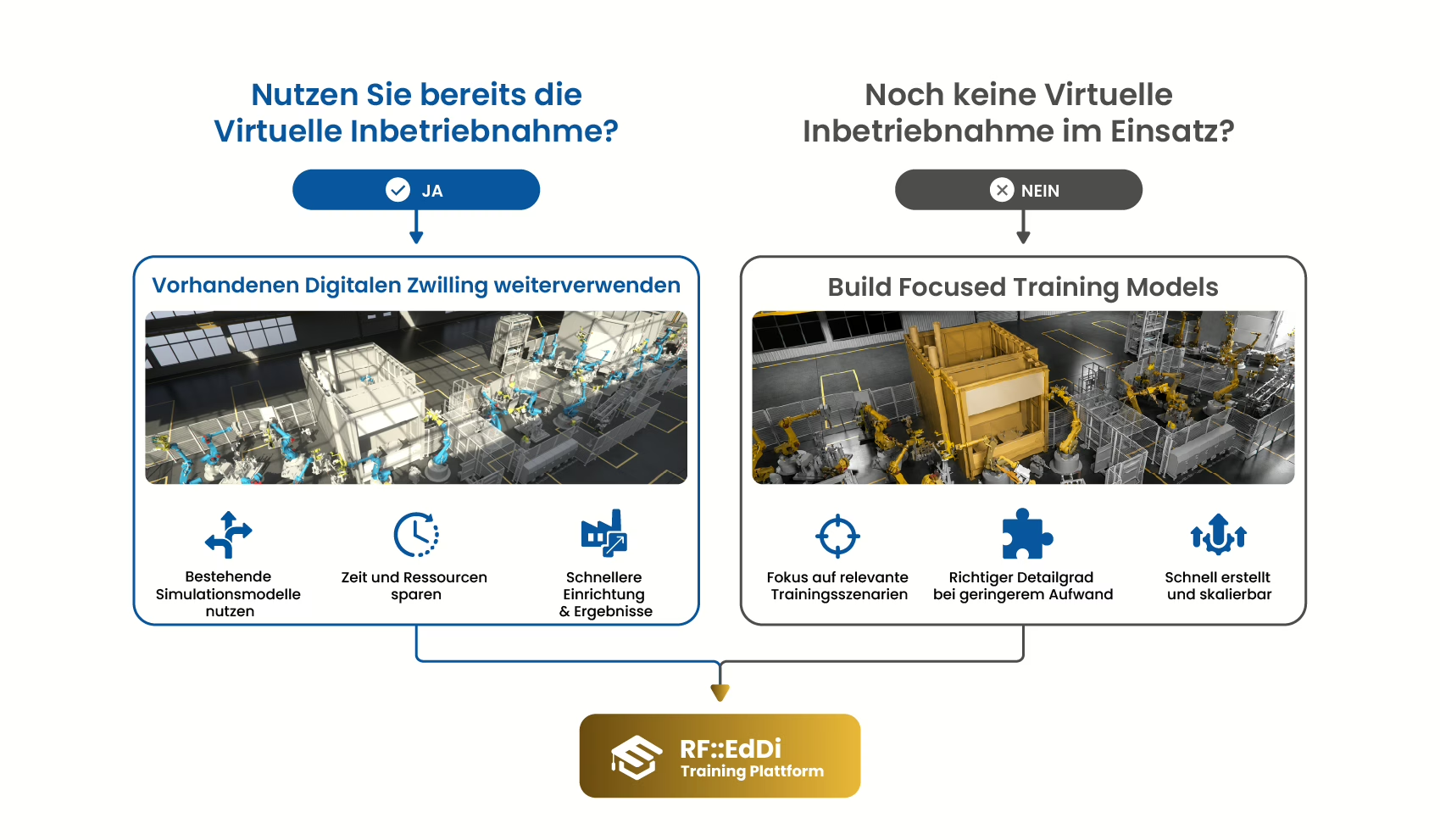
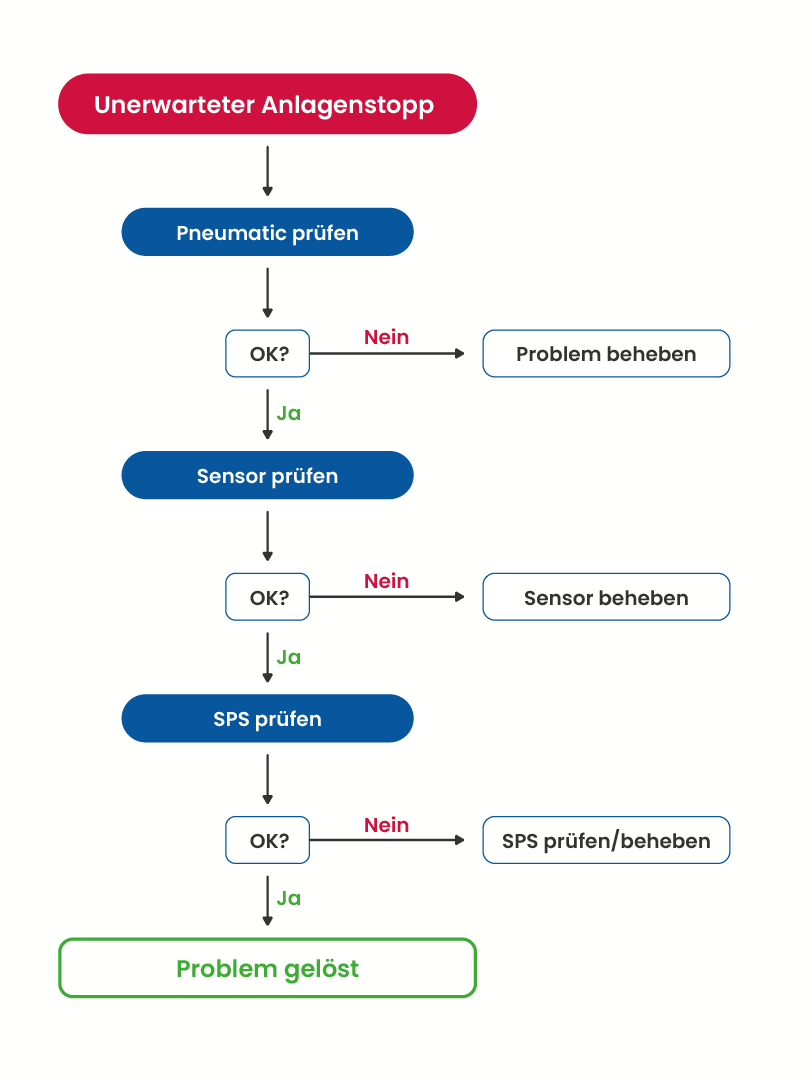
"Check the pneumatics first. Then the sensor. Only look at the PLC if both are fine."
That kind of decision-making is almost never written down in an operating manual. It's built over years, sometimes decades, of working with machines, chasing faults, and learning from real situations.
The Hidden Risk of Knowledge Loss
As skilled workers retire, organizations risk losing exactly this operational know-how. Traditional training focuses on procedures and theory, but it struggles to transfer intuition and hands-on problem-solving.
The risk grows as systems get more complex. Operators, maintenance staff, and PLC programmers have to understand not just individual components, but the interplay between machines, automation, sensors, robots, and processes. The question is no longer whether companies need effective knowledge transfer. It's how to achieve it at scale.
Why This Expertise Matters, Role by Role
The cost of losing experience isn't abstract. It looks different for every role on the shop floor, and each one carries real operational and financial weight.
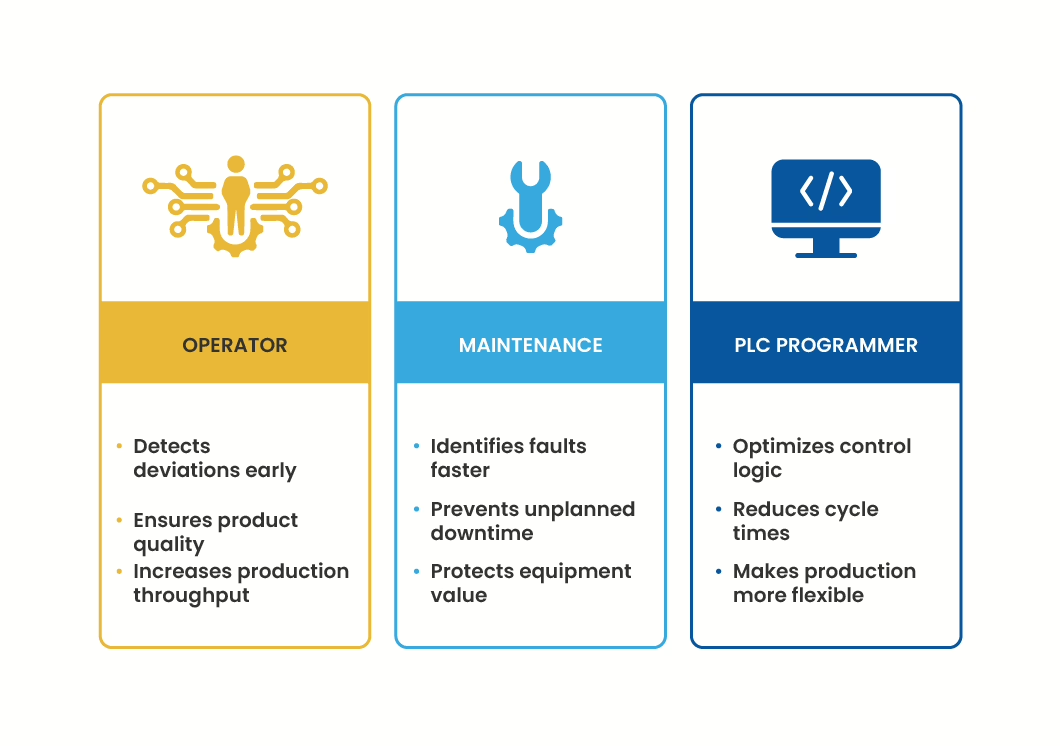
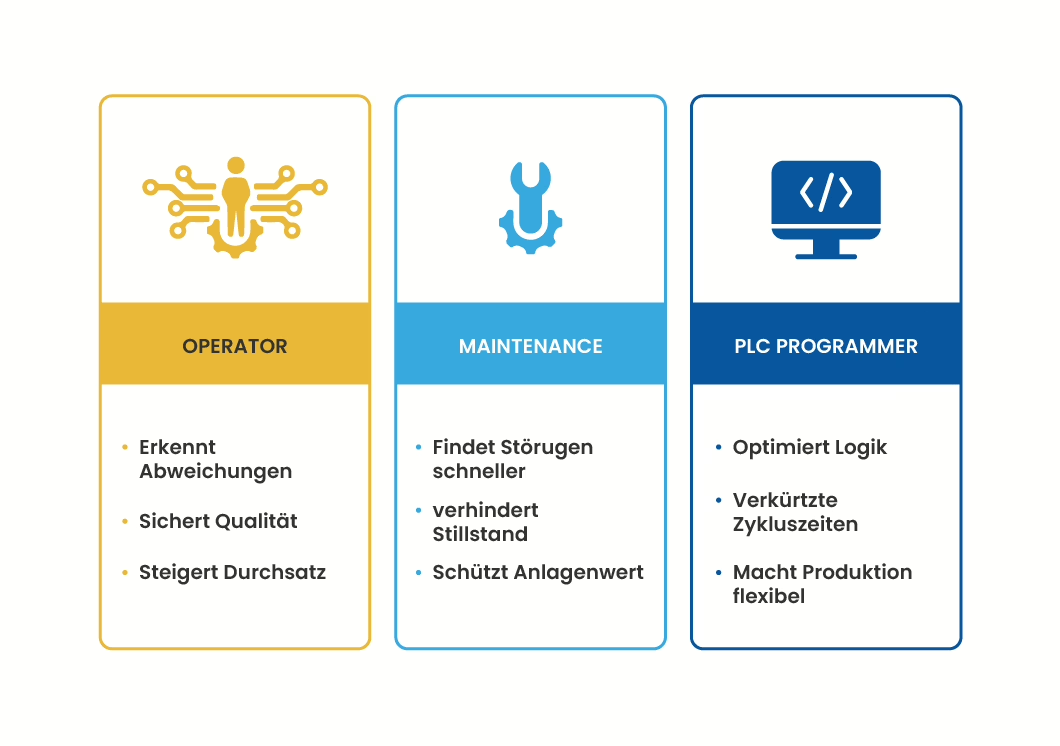
Operators safeguard throughput and quality. An experienced operator spots the smallest irregularity in the process flow and adjusts parameters to maximize output. Because they understand how process variables depend on one another, they prevent scrap before it happens, saving material cost. And where large forces, pressures, or temperatures are in play, trained personnel dramatically reduce the risk to people and equipment.
Maintenance technicians protect uptime and asset value. Skilled staff work proactively, replacing parts before they fail rather than after. A professionally maintained line lasts significantly longer, directly improving ROI. And when something does go wrong, every minute counts. Experts trace the root cause through a tangle of mechanics, hydraulics, and electrics far faster than a newcomer.
PLC programmers keep the line adaptable. Markets shift, and a programmer can adapt machine logic to new products or changed processes without rebuilding the hardware. Clean code shortens cycle times and lowers energy consumption. Software optimization is often the cheapest route to more performance. And in an Industry 4.0 world, plants have to talk to databases, ERP systems, and other machines; PLC experts build that bridge.
When any of these people walk out the door, that judgment goes with them, unless it has been captured somewhere it can be practiced.
Moving Beyond Traditional Training
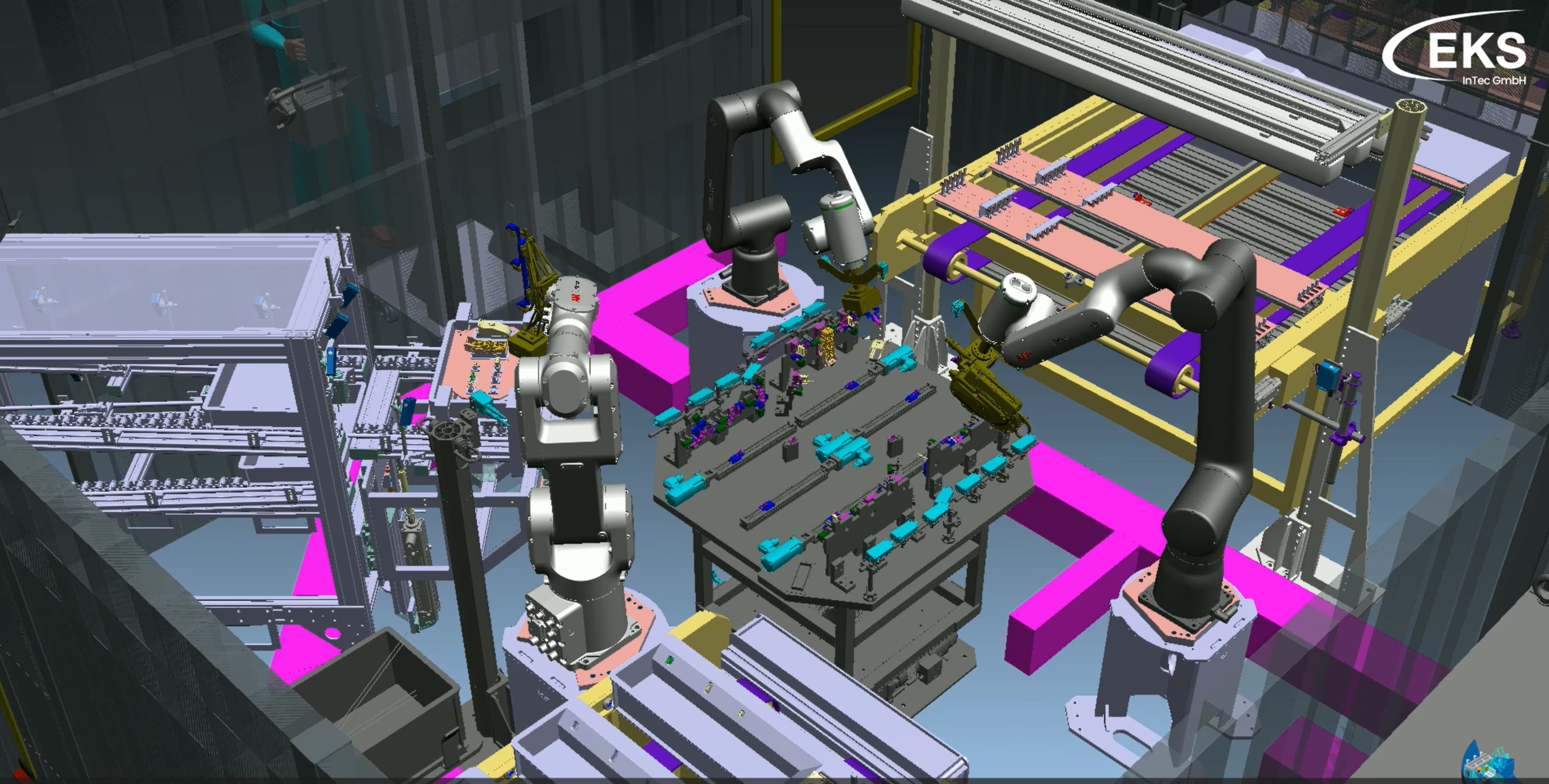
Digital twin-based training offers a different path. Instead of learning only through classroom sessions or on-the-job shadowing, employees train inside a realistic virtual representation of their actual production environment. These immersive 3D scenarios replicate machines, processes, and system behavior, letting people interact with the equipment safely and on demand.
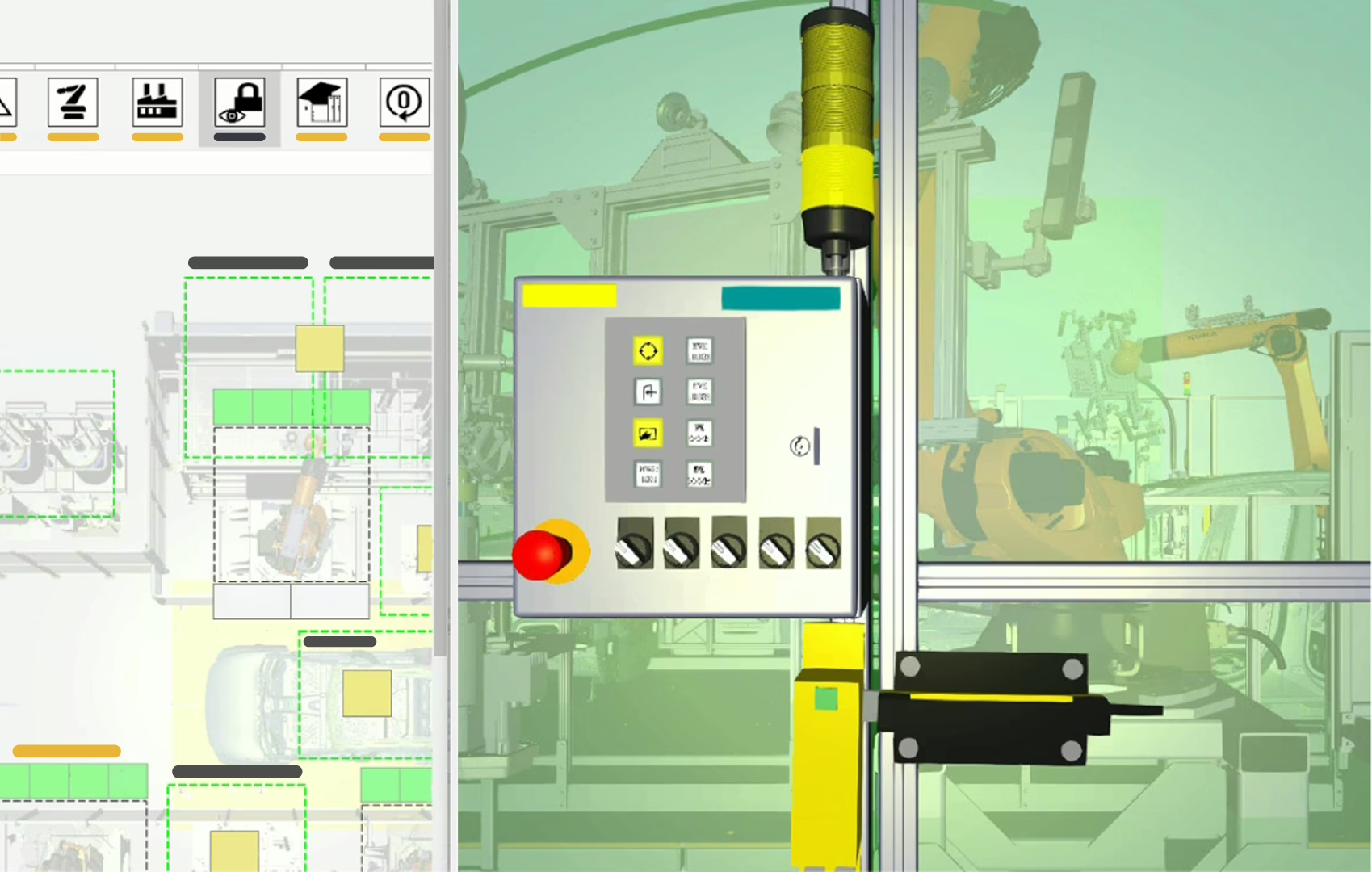
The goal isn't only to teach procedures. It's to build practical understanding. Trainees can operate machines, run maintenance and commissioning tasks, and work through troubleshooting, making mistakes, analyzing failures, and repeating scenarios as often as they need, without downtime, safety risk, or added cost.
Turning Expert Experience into Trainable Scenarios
This is where the real value sits: capturing expert knowledge before it leaves the company. Experienced operators and maintenance specialists understand how machines behave under specific conditions. Working with them, that understanding can be turned into realistic, repeatable training: typical fault and failure patterns, maintenance and troubleshooting procedures, PLC-related error situations, safety-critical states, and the rare exceptions that are almost impossible to train in live production.
Each of these becomes a learning module that future employees can experience and solve themselves. Instead of depending on the availability of a few senior experts, companies get a consistent, scalable environment that preserves know-how for years, with training available whenever and wherever it's needed.
Benefits That Go Beyond Onboarding
Organizations that adopt digital twin-based training typically see faster ramp-up for new hires, more consistent training quality across sites and shifts, and reduced dependence on a handful of key experts. They're better prepared for maintenance and troubleshooting, more operationally ready before commissioning or startup, and, most importantly, they hold on to critical knowledge over the long term. In our projects, building training environments on existing simulation models has accelerated training setup by up to 80%.
The Real Challenge Isn't the Technology
Building a digital twin is often seen as the hard part. It usually isn't. The harder question is simpler to ask than to answer: what do our experts know that isn't written down anywhere?
That reframes where the effort actually goes, and it's also why the barrier to entry is lower than most teams expect.
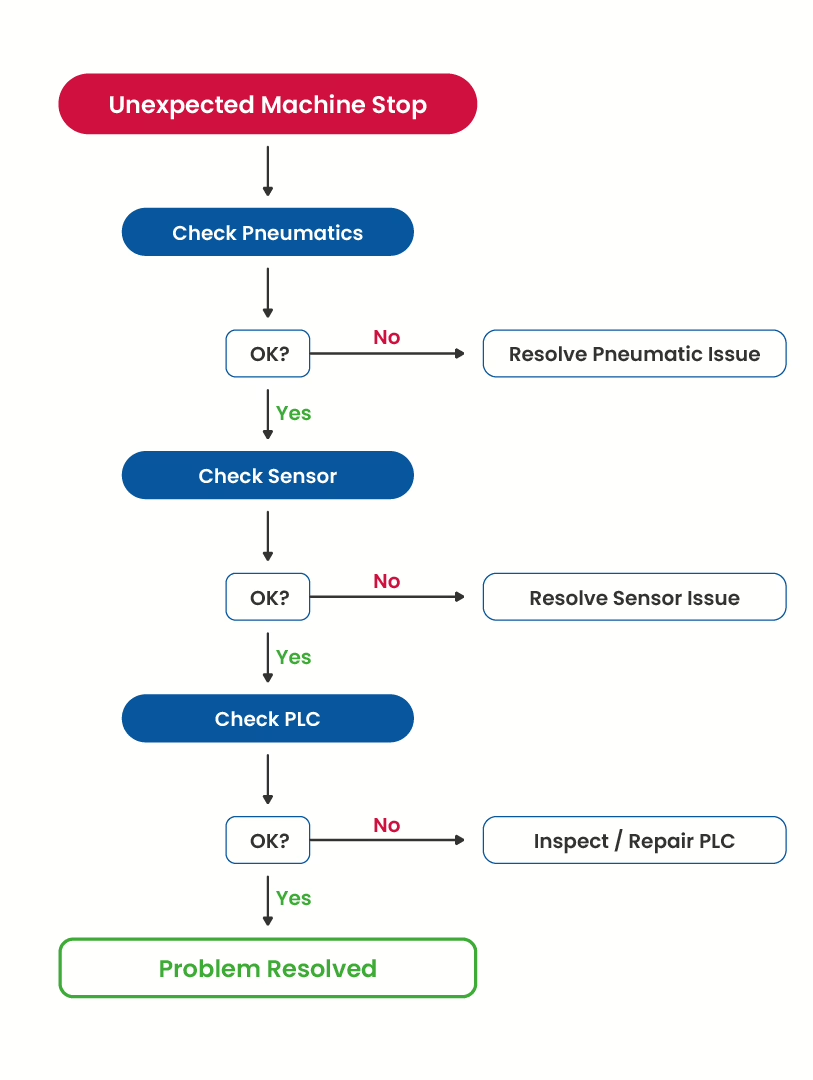
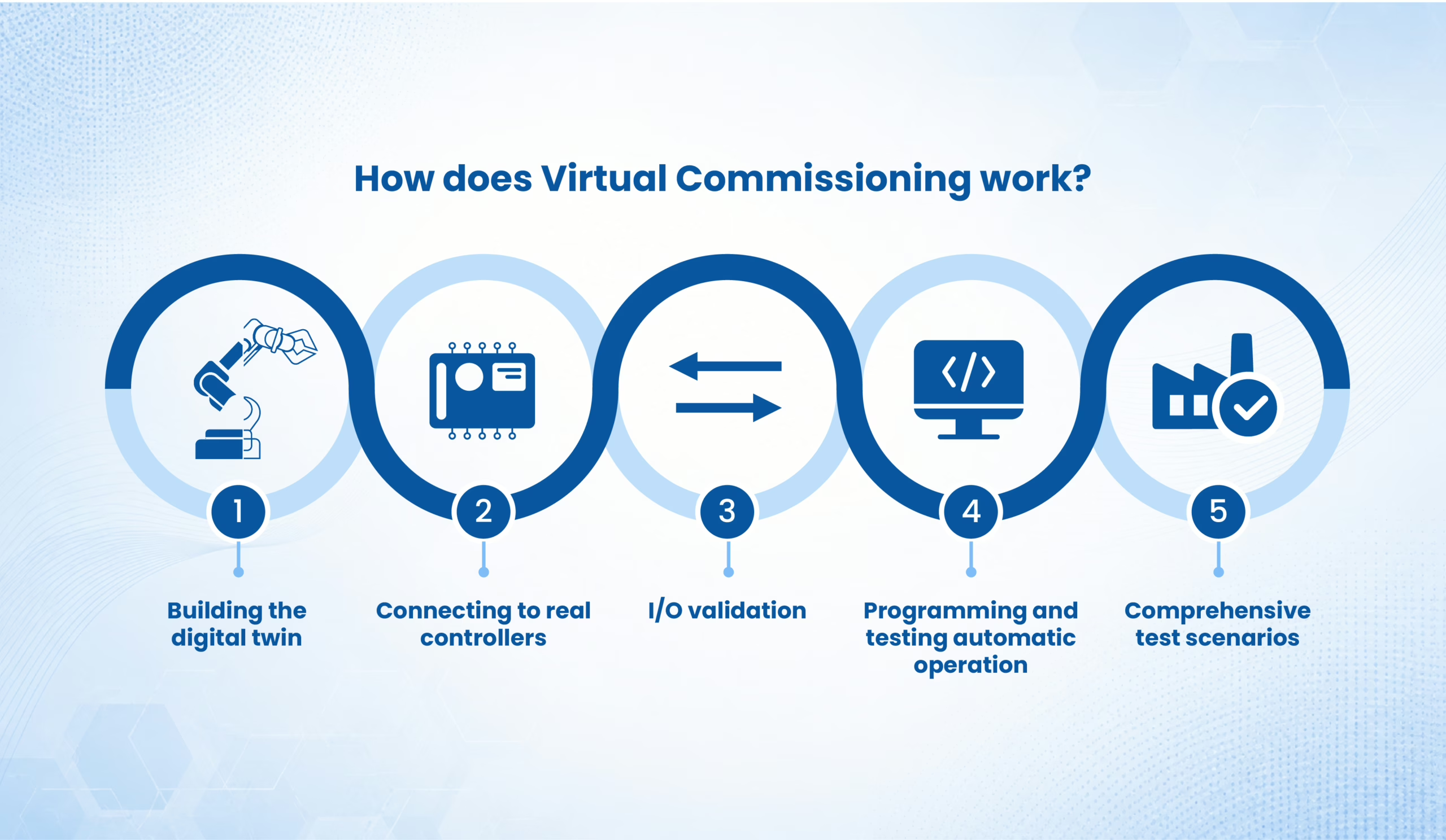
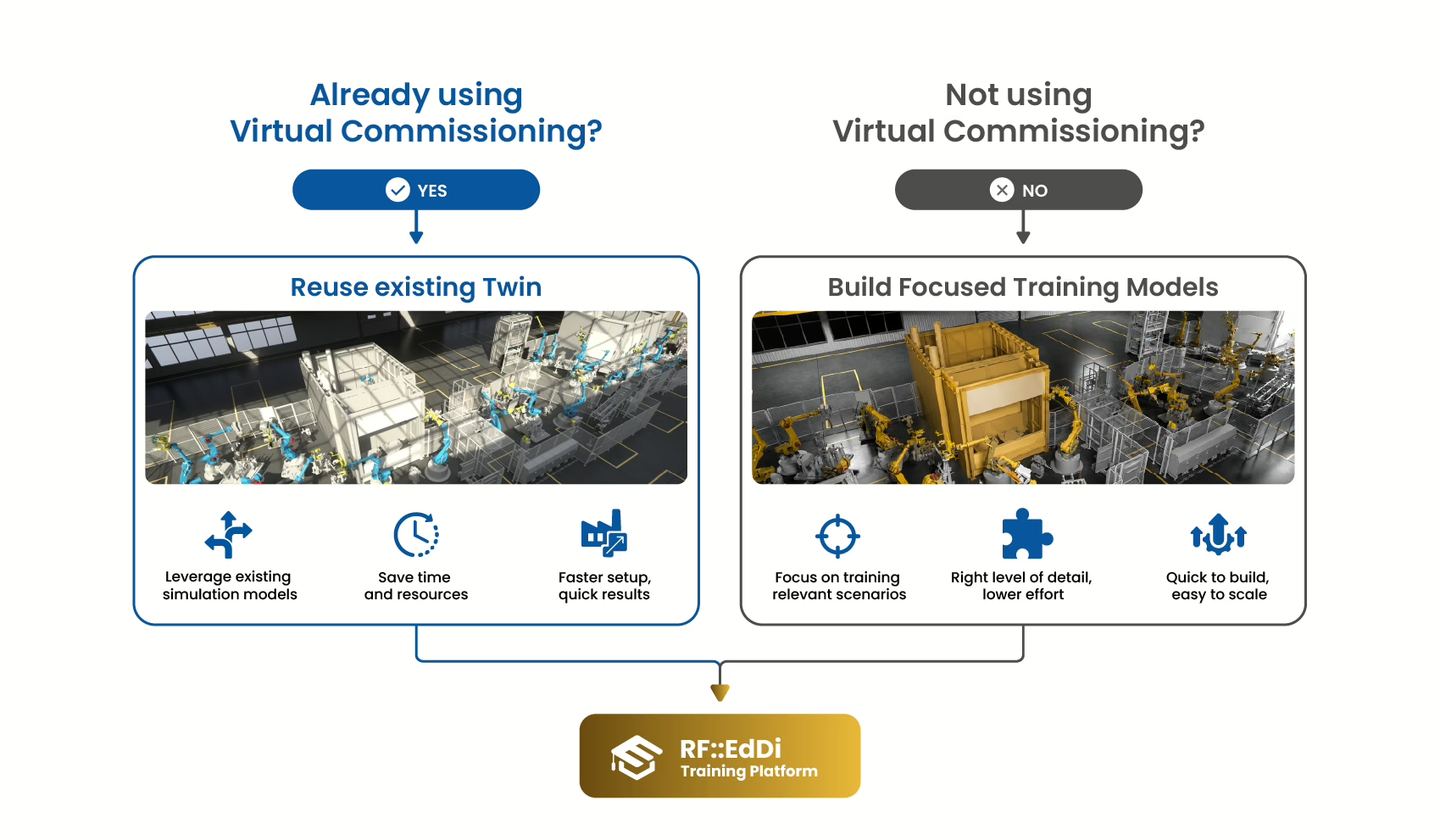
If you already run virtual commissioning, the models exist. Training becomes a near-zero-marginal-cost extension of assets you've already built.
If you don't, you're not excluded. A training model can be built from scratch, and a training-focused model is not the same thing as a full commissioning twin. Training doesn't need every detail validated to commissioning standard; it needs the right behaviors for the scenarios that matter. Scoping fidelity to what's didactically necessary keeps the effort far lower than a full-fidelity twin, which is exactly what opens digital twin training to fields that have never done virtual commissioning at all.
Either way, the model is the means, not the obstacle. The knowledge is the asset.
Preserve Knowledge Before It Walks Out the Door
With RF::EdDi, EKS InTec's training platform within the RF::Suite ecosystem, manufacturers can turn digital twins, whether reused from existing virtual commissioning models or built for the purpose, into immersive training environments that capture expert knowledge and make it available whenever and wherever it's needed.
Instead of relying on a few experienced people to pass on their expertise, organizations get consistent, repeatable training based on real production scenarios. That accelerates onboarding, supports workforce qualification, and helps maintain operational excellence over the long term.
Want to see how RF::EdDi can support knowledge transfer and qualification in your organization, with or without existing simulation models? Contact our team to discuss your use case.
Wenn Erfahrung in den Ruhestand geht: Wie Digital Twin Training kritisches Produktionswissen sichert
Früher oder später steht jedes produzierende Unternehmen vor derselben Herausforderung: Erfahrene Mitarbeitende gehen in den Ruhestand, wechseln ihre Position oder verlassen das Unternehmen. Prozesse, Handbücher und Dokumentationen bleiben zurück. Etwas deutlich Wertvolleres jedoch oft nicht: praktisches Erfahrungswissen.
Der Unterschied zwischen einer neuen Fachkraft und einem erfahrenen Spezialisten liegt selten darin, ob eine Checkliste abgearbeitet werden kann. Entscheidend ist das Urteilsvermögen.
Stellen wir uns eine Produktionsanlage vor, die unerwartet stillsteht. Eine neue Servicekraft arbeitet die Fehlersuche Schritt für Schritt anhand der Dokumentation ab und prüft jede mögliche Ursache. Ein erfahrener Instandhaltungsexperte erkennt dagegen sofort ein bekanntes Fehlerbild und weiß, wo er zuerst ansetzen muss.
„Prüfe zuerst die Pneumatik. Danach den Sensor. Erst wenn beides in Ordnung ist, lohnt sich ein Blick auf die SPS.“
Genau diese Art von Erfahrungswissen findet sich selten in Betriebsanleitungen. Es entsteht über viele Jahre – manchmal Jahrzehnte – im Umgang mit Maschinen, bei der Fehlersuche und durch das Lernen aus realen Situationen.
Das unterschätzte Risiko des Wissensverlusts
Mit dem Ausscheiden erfahrener Fachkräfte droht Unternehmen der Verlust genau dieses wertvollen Know-hows. Klassische Schulungskonzepte vermitteln Prozesse und theoretische Grundlagen, stoßen jedoch häufig an ihre Grenzen, wenn es darum geht, Intuition und praxisorientierte Problemlösungskompetenz weiterzugeben.
Gleichzeitig steigt die Komplexität moderner Produktionssysteme kontinuierlich. Bedienpersonal, Instandhalter und SPS-Programmierer müssen heute nicht nur einzelne Komponenten verstehen, sondern das Zusammenspiel von Maschinen, Automatisierungstechnik, Sensorik, Robotik und Prozessen beherrschen.
Die entscheidende Frage lautet daher nicht mehr, ob Wissenstransfer notwendig ist, sondern wie er effizient, nachhaltig und skalierbar umgesetzt werden kann.
Warum Erfahrungswissen in jeder Rolle entscheidend ist
Die Auswirkungen von Wissensverlust zeigen sich in jeder Funktion auf dem Shopfloor – mit direkten operativen und wirtschaftlichen Konsequenzen.
Anlagenbediener sichern Produktivität und Qualität
Erfahrene Bediener erkennen kleinste Abweichungen im Prozessverlauf und können frühzeitig gegensteuern. Sie verstehen die Wechselwirkungen von Prozessparametern und verhindern Ausschuss, bevor er entsteht. Das spart Material, reduziert Kosten und erhöht die Prozessstabilität.
Wo hohe Kräfte, Drücke oder Temperaturen auftreten, trägt qualifiziertes Personal zudem wesentlich zur Sicherheit von Mitarbeitenden und Anlagen bei.
Instandhalter sichern Verfügbarkeit und Anlagenwert
Erfahrene Instandhaltungsteams handeln vorausschauend. Komponenten werden ersetzt, bevor sie ausfallen, und nicht erst danach. Professionell gewartete Anlagen erreichen dadurch eine deutlich längere Lebensdauer und verbessern den Return on Investment nachhaltig.
Kommt es dennoch zu einer Störung, zählt jede Minute. Experten können die Ursache in komplexen Zusammenhängen aus Mechanik, Hydraulik, Elektrik und Steuerungstechnik deutlich schneller identifizieren als unerfahrene Mitarbeitende.
SPS-Programmierer schaffen Flexibilität
Märkte verändern sich. Produkte ändern sich. Prozesse entwickeln sich weiter.
SPS-Programmierer ermöglichen es Unternehmen, Maschinenlogiken an neue Anforderungen anzupassen, ohne die Hardware grundlegend verändern zu müssen. Gut strukturierte Programme verkürzen Zykluszeiten, senken den Energieverbrauch und erhöhen die Leistungsfähigkeit bestehender Anlagen.
Im Umfeld von Industrie 4.0 übernehmen sie zudem eine Schlüsselrolle bei der Vernetzung von Maschinen, Datenbanken, ERP-Systemen und weiteren Produktionssystemen.
Verlässt eine erfahrene Fachkraft das Unternehmen, geht dieses Wissen häufig mit ihr – sofern es nicht zuvor gesichert und weitergegeben wurde.
Wissenstransfer neu gedacht: Training mit dem Digital Twin
Digital Twin Training eröffnet einen neuen Ansatz.
Anstatt Wissen ausschließlich über Präsenzschulungen oder die Einarbeitung am realen Arbeitsplatz zu vermitteln, trainieren Mitarbeitende in einer realitätsnahen virtuellen Abbildung ihrer Produktionsumgebung.
Immersive 3D-Szenarien bilden Maschinen, Prozesse und Systemverhalten realitätsgetreu nach. Bediener, Instandhalter oder Inbetriebnehmer können mit der Anlage interagieren, Abläufe trainieren und Erfahrungen sammeln – jederzeit, sicher und unabhängig von der realen Produktion.
Dabei geht es nicht nur um das Erlernen von Abläufen.
Ziel ist es, ein tiefes Prozessverständnis aufzubauen. Mitarbeitende bedienen Anlagen, führen Wartungs- und Inbetriebnahmeaufgaben durch und lösen Störungen. Fehler dürfen gemacht, analysiert und beliebig oft wiederholt werden – ohne Produktionsstillstand, Sicherheitsrisiken oder zusätzliche Kosten.
Expertenwissen in trainierbare Szenarien überführen
Genau hier liegt der eigentliche Mehrwert.
Erfahrene Anlagenbediener, Instandhalter und Automatisierungsexperten wissen, wie sich Maschinen unter bestimmten Bedingungen verhalten. Gemeinsam mit diesen Experten lässt sich dieses Wissen in realitätsnahe Trainingsszenarien überführen:
- typische Fehler- und Störungsbilder
- Wartungs- und Troubleshooting-Prozesse
- SPS-bezogene Fehlersituationen
- sicherheitskritische Zustände
- seltene Ausnahmefälle, die im laufenden Betrieb kaum trainiert werden können
Jedes dieser Szenarien wird zu einem reproduzierbaren Lernmodul, das zukünftige Mitarbeitende selbstständig erleben und lösen können.
Anstatt vom Wissen einzelner Schlüsselpersonen abhängig zu sein, entsteht eine standardisierte und skalierbare Trainingsumgebung, die Know-how langfristig sichert und jederzeit verfügbar macht.
Mehrwert weit über das Onboarding hinaus
Unternehmen, die auf Digital Twin Training setzen, profitieren in der Regel von:
- schnelleren Einarbeitungszeiten neuer Mitarbeitender
- einheitlicher Trainingsqualität über Standorte und Schichten hinweg
- geringerer Abhängigkeit von einzelnen Experten
- besserer Vorbereitung auf Wartungs- und Störungssituationen
- höherer operativer Einsatzbereitschaft vor Inbetriebnahmen und Produktionsstarts
- langfristiger Sicherung kritischen Unternehmenswissens
In unseren Projekten konnten Trainingsumgebungen auf Basis bereits vorhandener Simulationsmodelle bis zu 80 % schneller aufgebaut werden.
Die eigentliche Herausforderung ist nicht die Technologie
Der Aufbau eines Digital Twins wird häufig als größte Hürde betrachtet.
In der Praxis ist oft etwas anderes anspruchsvoller:
Welches Wissen besitzen unsere Experten, das bisher nirgendwo dokumentiert ist?
Diese Frage verschiebt den Fokus auf den eigentlichen Wert eines Projekts.
Gleichzeitig ist die Einstiegshürde häufig deutlich niedriger als erwartet.
Wer bereits Virtuelle Inbetriebnahme nutzt, verfügt oftmals schon über die notwendigen Modelle. Trainingsanwendungen können darauf aufbauen und bestehende Investitionen optimal nutzen.
Aber auch Unternehmen ohne bestehende Simulationsmodelle sind nicht ausgeschlossen. Trainingsmodelle können gezielt für Qualifizierungszwecke entwickelt werden und unterscheiden sich deutlich von einem vollständigen Modell für die Virtuelle Inbetriebnahme.
Für effektives Training muss nicht jede technische Detailtiefe einer realen Anlage abgebildet werden. Entscheidend sind die relevanten Verhaltensweisen und Szenarien, die für den Lernerfolg notwendig sind. Dadurch bleibt der Aufwand deutlich geringer als bei einem vollständig validierten Digital Twin.
Der Digital Twin ist somit nicht die Hürde.
Das eigentliche Kapital ist das Wissen.
Wissen sichern, bevor es verloren geht
Mit RF::EdDi, der Trainingsplattform von EKS InTec innerhalb des RF::Suite-Ökosystems, können produzierende Unternehmen digitale Zwillinge – unabhängig davon, ob sie aus bestehenden Modellen der Virtuellen Inbetriebnahme stammen oder speziell für Trainingszwecke erstellt wurden – in immersive Lernumgebungen verwandeln.
Erfahrungswissen wird systematisch erfasst, langfristig gesichert und genau dort verfügbar gemacht, wo es benötigt wird.
Anstatt darauf angewiesen zu sein, dass einzelne Experten ihr Wissen persönlich weitergeben, erhalten Unternehmen eine konsistente, wiederholbare und praxisnahe Qualifizierung auf Basis realer Produktionsszenarien.
Das beschleunigt die Einarbeitung neuer Mitarbeitender, unterstützt die Qualifizierung bestehender Teams und trägt langfristig zur Sicherung operativer Exzellenz bei.
Möchten Sie erfahren, wie RF::EdDi den Wissenstransfer und die Qualifizierung in Ihrem Unternehmen unterstützen kann – mit oder ohne bestehende Simulationsmodelle?
Sprechen Sie mit unserem Team über Ihren individuellen Anwendungsfall.