Build the digital twin
A virtual model of the machine, cell, or production line is prepared as the testing environment.

Home > Virtual Commissioning
Validate PLC logic, robot behavior, and process interactions in a virtual environment before real commissioning begins.

Virtual commissioning (VC) is the simulation-based validation of automation systems before they are deployed in the real environment. It allows testing of PLC logic, robot programs, and system behavior using a digital twin of the production system.
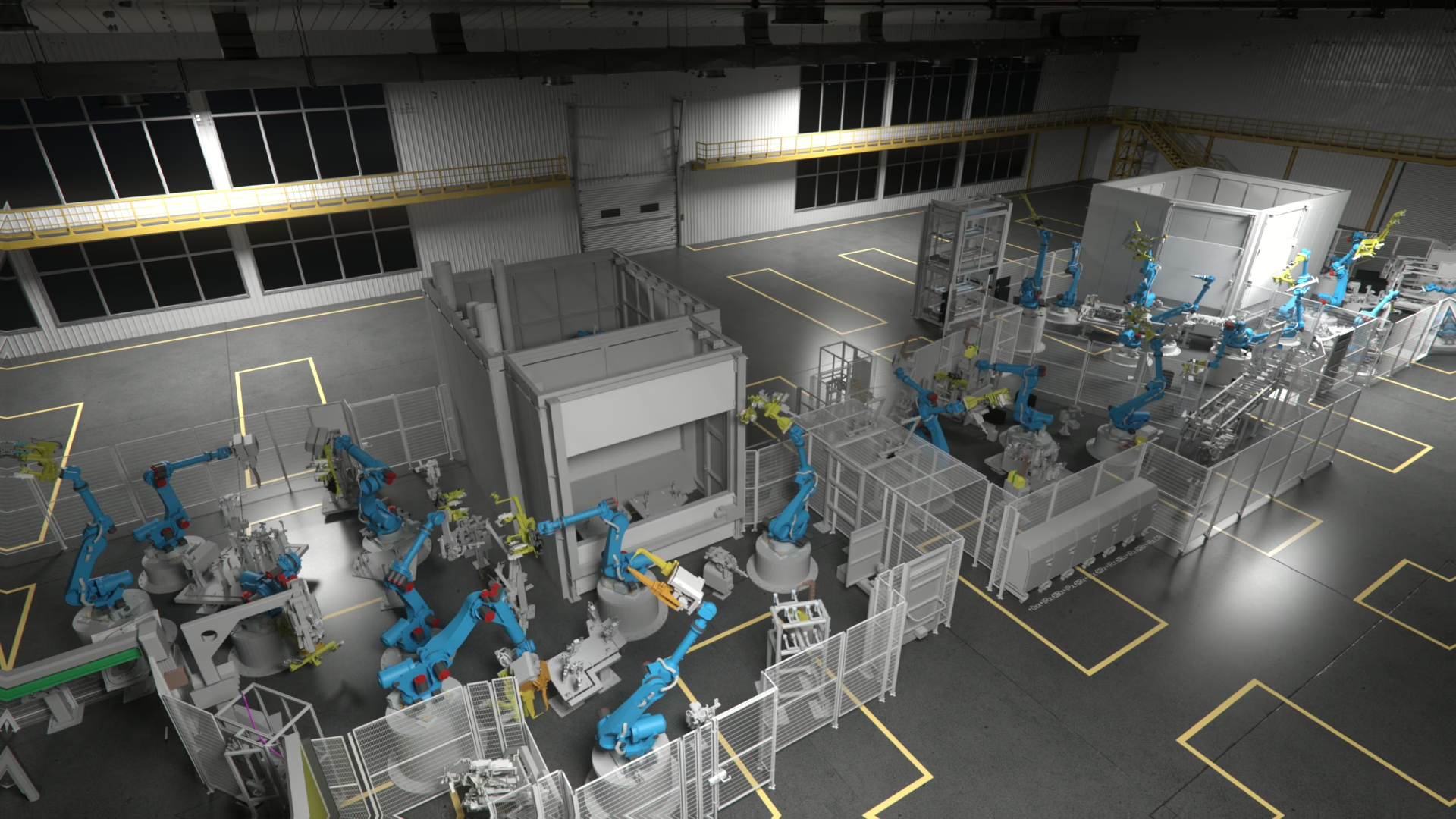
What this means in practice:
Virtual Commissioning connects automation logic, robot programs, and process behavior with a digital twin so issues can be identified, tested, and improved before the real system is on site.
A virtual model of the machine, cell, or production line is prepared as the testing environment.
PLC logic, robot programs, interfaces, and communication structures are linked to the simulation.
Normal sequences, safety behavior, faults, and exception cases are tested under realistic conditions.
Findings are corrected early so the later commissioning phase becomes faster, safer, and more predictable.
Why Virtual Commissioning?
Virtual commissioning creates transparency early on, reduces risks, and makes real production startup more predictable, efficient, and independent of the physical system.
Coordination between client and contractor becomes more structured and happens earlier.
The quality of software, processes, and commissioning increases through early validation.
Time, cost, and resources are reduced because issues become visible before physical startup.
Faults, exception cases, and critical test scenarios can be validated without production risk.
Virtual Commissioning is especially effective in projects where multiple systems, interfaces, and commissioning dependencies create high risk during startup.
Validate robot interaction, handshakes, sequences, and exception handling before real hardware is fully available.
Simulate complete line behavior, timing, and communication across stations to reduce risk during ramp-up.
Test individual machine logic, sequences, and edge cases early when unique engineering solutions are involved.
Check changes in logic and interfaces before touching existing production systems with limited downtime windows.
Discuss your use case, validate your automation logic earlier, and reduce surprises before physical startup begins.
We use cookies and other tracking technologies to improve your browsing experience on our website, to show you personalized content and targeted ads, to analyze our website traffic, and to understand where our visitors are coming from.